
Beyond the Cubicle: Your Passport to a Career That Travels the World
Have you ever dreamt of a job that doesn't tie you down to a single desk, but instead launches you into a world of adventure, cultural immersion, and breathtaking landscapes? For many, the allure of travel is a powerful force, and the idea of weaving it into the fabric of a professional life seems like an unattainable fantasy. But what if it wasn't?

Forget the notion that travel is just for vacations. A growing number of professions actively demand or enable a global lifestyle, transforming your career into an ongoing journey. From documenting exotic locales for a living to shaping international relations, educating minds across continents, exploring the mysteries of the deep blue sea, or even safeguarding global health – the opportunities are as vast and varied as the world itself.
In this comprehensive guide, we're taking a deep dive into eight distinct yet equally fascinating career paths that promise a life on the move. We’ll explore the daily realities, compare their unique travel styles, and arm you with the essential "how-to" steps to make your globetrotting career aspirations a reality. Get ready to trade your daily commute for a ticket to anywhere.
Share: 


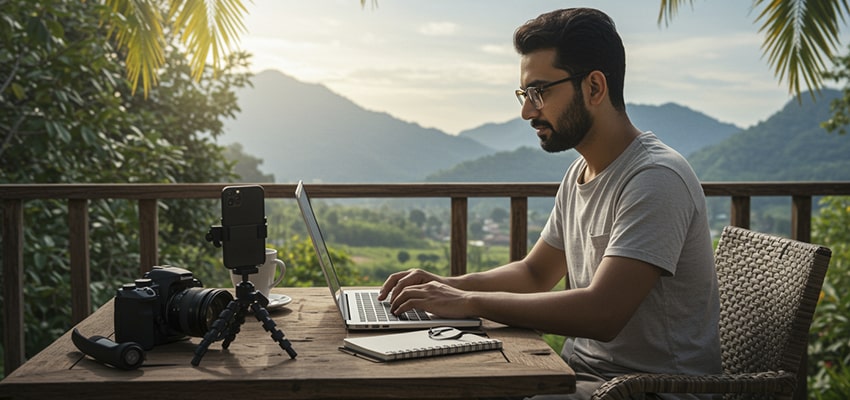
1. The Digital Nomad Dream: Travel Blogger / Content Creator
What it is: At its heart, a travel blogger or content creator documents their journeys and experiences through written articles, photos, videos, and social media posts, sharing them with a global audience. This career is the epitome of location independence, allowing individuals to work from anywhere with an internet connection – be it a bustling Bangkok café, a serene beach hut in Bali, or a remote mountain lodge in Patagonia. They might review destinations, accommodations, food, or activities, often collaborating with tourism boards and brands.
The Globetrotting Lifestyle: The life of a travel blogger is often romanticized, and while it offers unparalleled freedom, it’s also demanding. You are your own boss, marketer, photographer, writer, editor, and accountant. Travel can be fast-paced, constantly moving from one destination to the next to create fresh content. Days can involve early morning shoots, late-night editing sessions, and endless networking. Income can be inconsistent, especially in the early stages, relying on ad revenue, sponsorships, affiliate marketing, and selling digital products. However, the reward is an untethered existence, rich with cultural experiences and personal growth.
Travel Comparison:
- Pace:
Highly variable, from slow travel in one region for months to rapid-fire country hopping.
- Duration:
Often long-term, with continuous movement. Stays can range from a few days to several weeks per location.
- Purpose:
Experiential, discovery, and content generation. Travel is the core product.
- Accommodation:
Diverse – from hostels and guesthouses to luxury hotels (often sponsored).
- Companionship:
Often solo, but collaborations with other creators or partners are common.
How to Get There:
- Education:
No formal degree is required, though journalism, marketing, communications, photography, or videography can be beneficial. Self-education is key.
- Skills:
Excellent writing, photography/videography, social media management, basic web design, self-discipline, networking, and strong storytelling abilities.
- Pathway:
Start a blog/YouTube channel, consistently create high-quality content, learn digital marketing, build a personal brand, and network within the travel industry. Be prepared for a grind before seeing significant income.
2. The Global Statesperson: Diplomat / Foreign Service Officer
What it is: Diplomats are representatives of their home country, working to advance national interests and foster international relations. Stationed in embassies, consulates, or international organizations abroad, they engage in everything from political and economic analysis to consular services for citizens, cultural exchange, and treaty negotiations. It’s a career of high stakes, significant responsibility, and profound cultural immersion.
The Globetrotting Lifestyle: The life of a diplomat is defined by cycles of postings, typically lasting 2-4 years in a given country before being reassigned. This means frequent moves, often across vastly different cultures and climates, requiring adaptability from the diplomat and their family. While diplomatic life can involve prestigious events and comfortable living conditions in some posts, it also entails working in challenging, remote, or even dangerous locations. The work is demanding, often involving long hours, complex political situations, and constant representation of one’s nation.
Travel Comparison:
- Pace:
Long-term assignments (2-4 years) with occasional official travel within the region or back home.
- Duration:
Permanent relocation for the duration of a posting.
- Purpose:
Representation of national interests, negotiation, intelligence gathering, cultural exchange, and citizen services.
- Accommodation:
Official residences or housing allowances provided by the government.
- Companionship:
Often with family; built-in community within the diplomatic corps.
How to Get There:
- Education:
A Bachelor's degree is generally the minimum, but advanced degrees (Master's or PhD) in international relations, political science, economics, law, history, or foreign languages are highly advantageous.
- Skills:
Exceptional communication (written and verbal), critical thinking, foreign language proficiency (often mandatory), cultural sensitivity, resilience, leadership, and public speaking.
- Pathway:
Pass rigorous entrance exams (e.g., the U.S. Foreign Service Officer Test), multiple interviews, security clearances, and extensive training. Competition is fierce.
3. The Educator Abroad: International Teacher
What it is:International teachers work in schools around the world that cater to expatriate families, local elite students, or students seeking an international curriculum (e.g., IB, American, British). These schools range from prestigious institutions in major capitals to smaller community schools in developing nations. Teachers bring their expertise in various subjects, shaping young minds while immersing themselves in new cultures.
The Globetrotting Lifestyle:For many, international teaching offers a unique blend of professional stability and adventure. Contracts typically last 1-2 years, allowing for significant exploration of a region before potentially moving to a new country. Most schools provide competitive salaries, housing allowances, health insurance, and annual flights home, making it a financially viable way to live abroad. The work itself involves the challenges and rewards of any teaching role, but with the added layer of multicultural classrooms and varied educational systems. Weekends and school holidays provide ample opportunity for travel.
Travel Comparison:
- Pace:
Slower travel, settling into a location for a contract period (1-2+ years).
- Duration:
Medium-term residency with frequent short trips during holidays.
- Purpose:
Professional employment combined with cultural immersion and personal travel.
- Accommodation:
Often subsidized or provided by the school; independent living.
- Companionship:
Often with partners or solo, building local and expat communities.
How to Get There:
- Education:
A Bachelor's degree (often in a specific subject area) and a recognized teaching qualification/license (e.g., PGCE, teaching credential from your home country).
- Skills:
Classroom management, subject matter expertise, adaptability, cross-cultural communication, curriculum development.
- Pathway:
Gain at least 2 years of teaching experience in your home country (preferred), obtain necessary certifications, and apply through international school recruiting agencies or directly to schools.
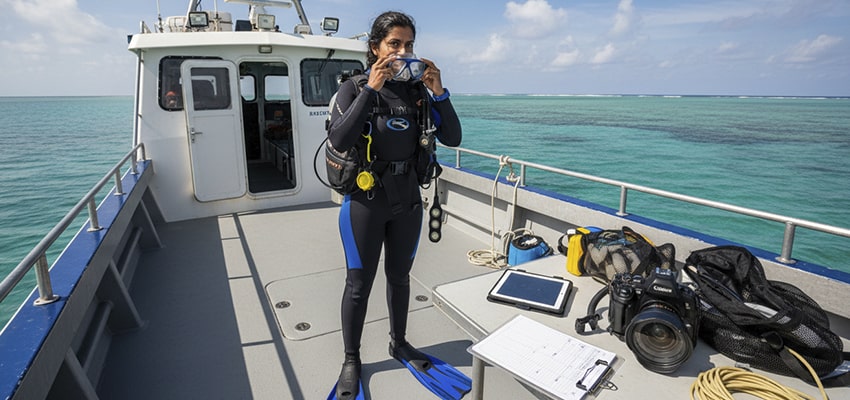
4. The Ocean Explorer: Marine Biologist
What it is:Marine biologists study life in the ocean – from microscopic plankton to colossal whales – and its interaction with the marine environment. Their work is crucial for understanding ecosystems, conservation, fisheries management, and climate change. While some work in labs or aquariums, many spend significant time in the field, conducting research in diverse marine habitats around the globe.
The Globetrotting Lifestyle: The travel for a marine biologist is often project-based and research-driven. This can mean long stints at sea on research vessels, diving in coral reefs in the tropics, studying coastal ecosystems in temperate zones, or even venturing to polar regions. Fieldwork can be physically demanding, involving remote locations, unpredictable weather, and basic living conditions. When not in the field, they might be in universities, research institutions, or government agencies analyzing data, writing reports, and seeking funding. It's a passion-driven career for those who love the ocean and scientific discovery.
Travel Comparison:
- Pace:
Project-specific, intense bursts of fieldwork (weeks to months) followed by lab/office time.
- Duration:
Variable; short research trips to extended expeditions.
- Purpose:
Scientific research, data collection, conservation efforts. Travel is dictated by research sites.
- Accommodation:
Research vessels, field stations, basic accommodations in remote areas.
- Companionship:
Often part of a research team.
How to Get There:
- Education:
A Bachelor's degree in marine biology, biology, zoology, oceanography, or a related field is essential. For most research and leadership roles, a Master's or Ph.D. is required.
- Skills:
Strong scientific methodology, data analysis, diving certifications (e.g., PADI, scientific diving), fieldwork experience, boat handling, statistical software proficiency.
- Pathway:
Excellent academic performance, volunteer/internship experience in marine labs or conservation groups, networking within the scientific community, and securing grants for research.
